Taylor Chip
Data & analytics
How Skayl Achieved 60% Revenue Growth for Taylor Chip





Share:
Ready to Scale Smarter?
Book a free strategy call and discover how we’ll make your ad spend work harder.
Solution used:
Meta Ads Creative Optimisation & Account Restructuring
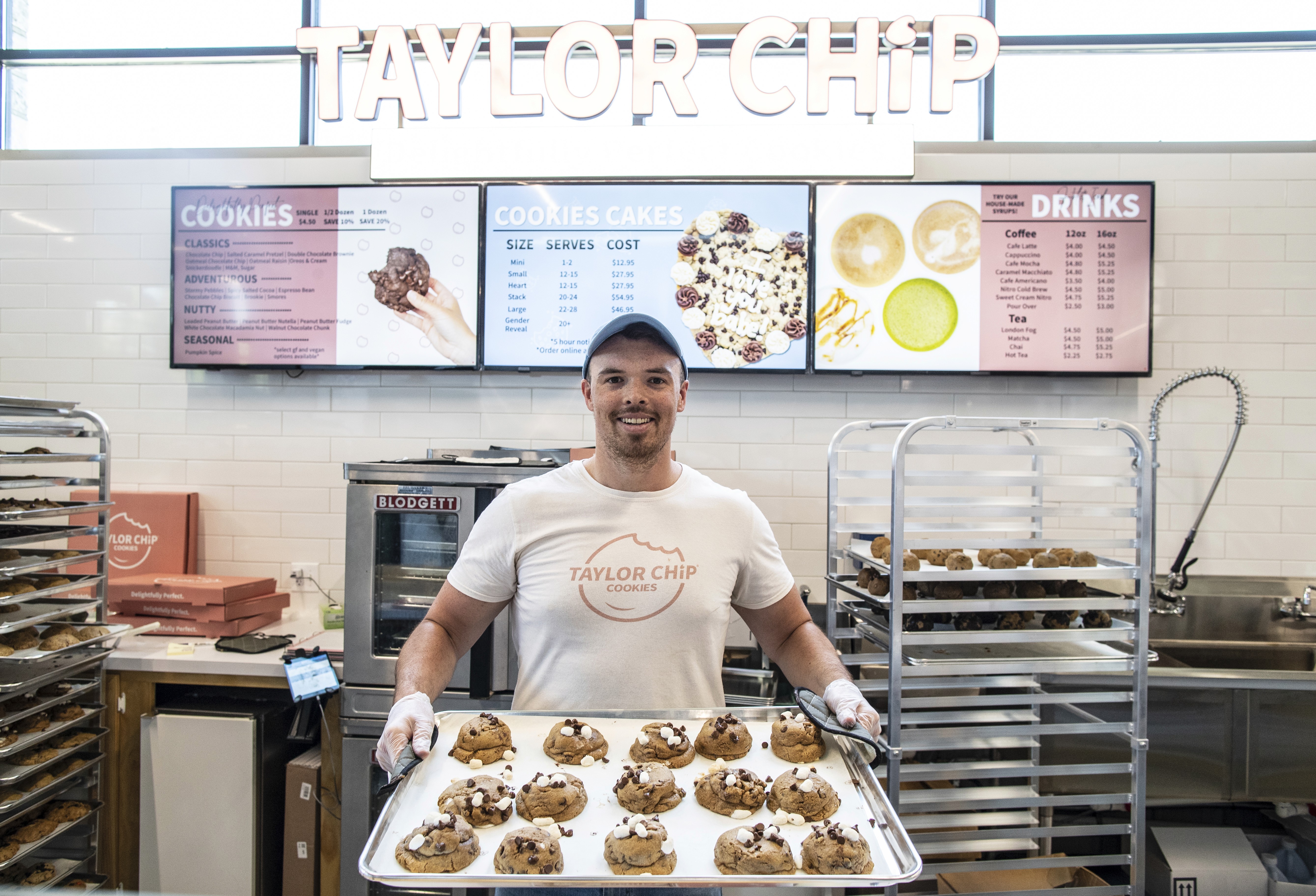
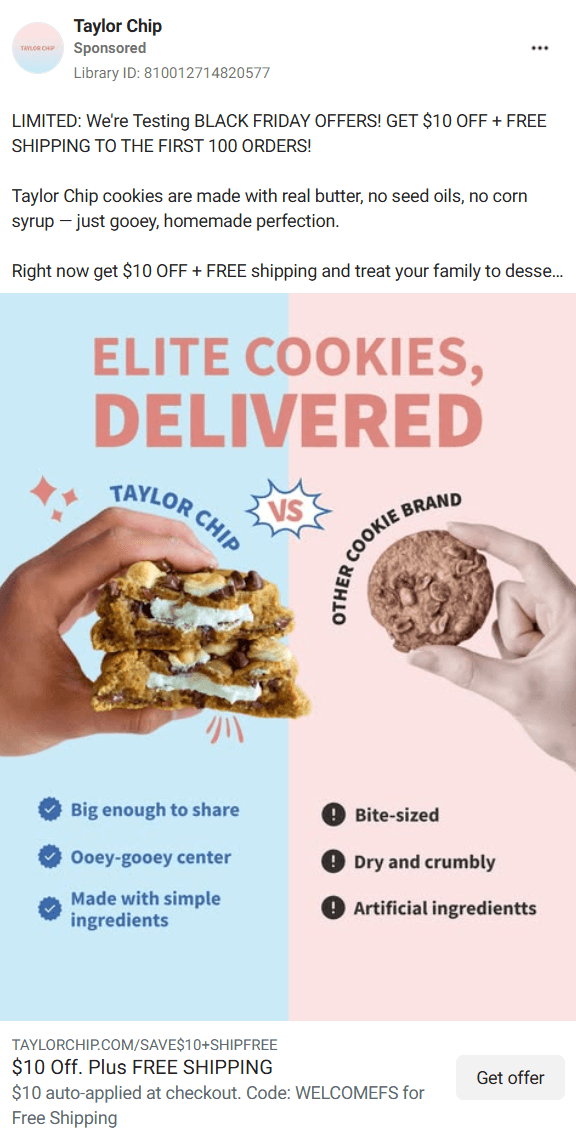
Taylor Chip, the rapidly growing Pennsylvania-based cookie company, approached us after experiencing disappointing results from previous agencies. With ambitious expansion plans, they needed a robust Meta Ads strategy that could drive new customer acquisition at scale.
After analysing their existing campaigns, we discovered their creative strategy lacked a structured methodology, posing risks for a growing brand with significant advertising budgets. By implementing our research-driven creative framework and strategic account restructuring, we achieved a 60% increase in revenue, 68% increase in orders, and 59% improvement in session duration within just 3 months.
Our ongoing partnership continues to develop high-performing creative content and seasonal campaigns whilst supporting their expansion objectives.

The challenges and our solutions
Unstructured Creative Approach
Creative development relied on guesswork rather than systematic research methodology, creating risk for significant advertising investment.
vs
Research-Driven Creative Framework
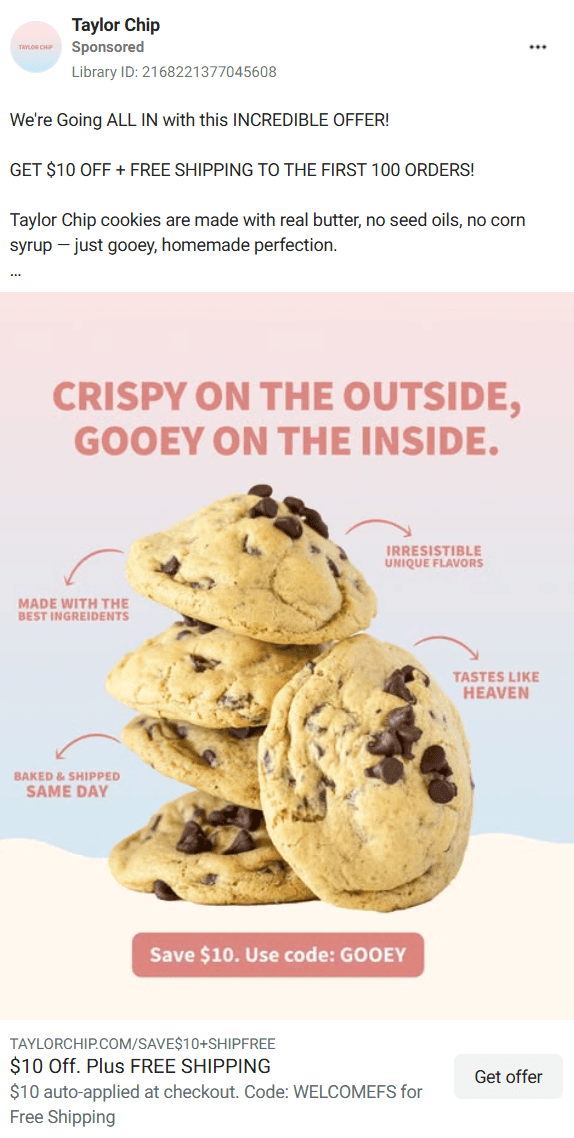
Conducted comprehensive analysis of customer feedback, reviews, and competitor positioning to uncover psychological triggers and develop emotionally resonant advertising.
Inefficient Campaign Structure
Account setup was preventing Meta's algorithms from optimising budget delivery effectively across their product range.
vs
Algorithm-Optimised Account Architecture
Restructured campaigns to leverage Meta's bidding systems effectively whilst implementing systematic creative testing process.
Generic Product Advertising
Standard product-focused creative was failing to connect with customers emotionally and drive purchase decisions.
vs
Psychology-Based Content Development
Created advertising content focusing on emotional drivers and customer desires rather than generic product features to increase engagement and conversions.
Key takeaways
Research-based creative
Importance of systematic customer research over intuition for advertising creative developmentsychology analysis over intuition for high-budget Meta Ads campaigns
Platform optimisation
Value of proper campaign structure for maximising automated bidding efficiency
Emotional connection
Impact of psychology-driven messaging on food and beverage advertising performance



cASE STUDIES
DIVE INTO WHAT WE'VE DONE FOR OUR CLIENTS